What “Class 4” Actually Means
Impact ratings come from a test standard called UL 2218. A steel ball is dropped onto the shingle from a set height, twice in the same spot, and the shingle is checked for cracks through the back. Class 1 uses a 1.25-inch ball. Class 4, the highest rating, uses a 2-inch steel ball dropped from 20 feet.
Shingles earn that rating with a tougher build. Most Class 4 shingles use polymer-modified asphalt, often called SBS or rubberized asphalt, which stays flexible and absorbs an impact instead of fracturing. That same flexibility helps in cold weather and in the Panhandle’s constant wind.
Class 4 vs. Standard Architectural Shingles
| Standard architectural | Class 4 impact-resistant | |
|---|---|---|
| Hail performance | Mat can bruise or fracture under larger hail | Built to resist cracking from impacts up to the test standard |
| Asphalt | Conventional | Usually polymer-modified for flexibility |
| Up-front cost | Lower | Higher |
| Insurance | Standard rate | Often eligible for a premium discount |
| Best for | Tight budgets, short ownership horizon | Homeowners planning to stay, anywhere hail is routine |
The Class 4 Shingles We Install
We install impact-resistant shingle systems from two manufacturers we trust on Panhandle roofs:
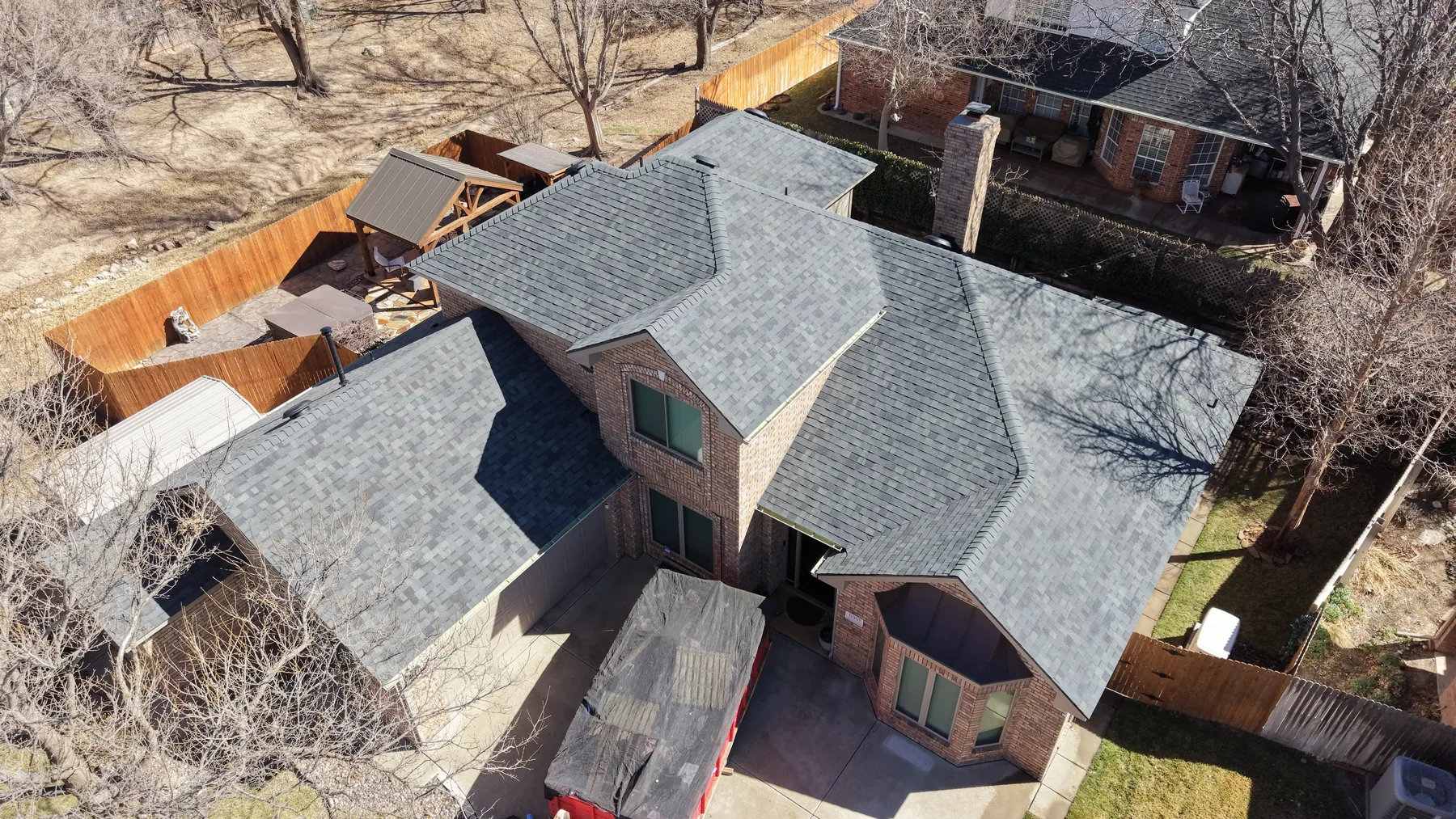
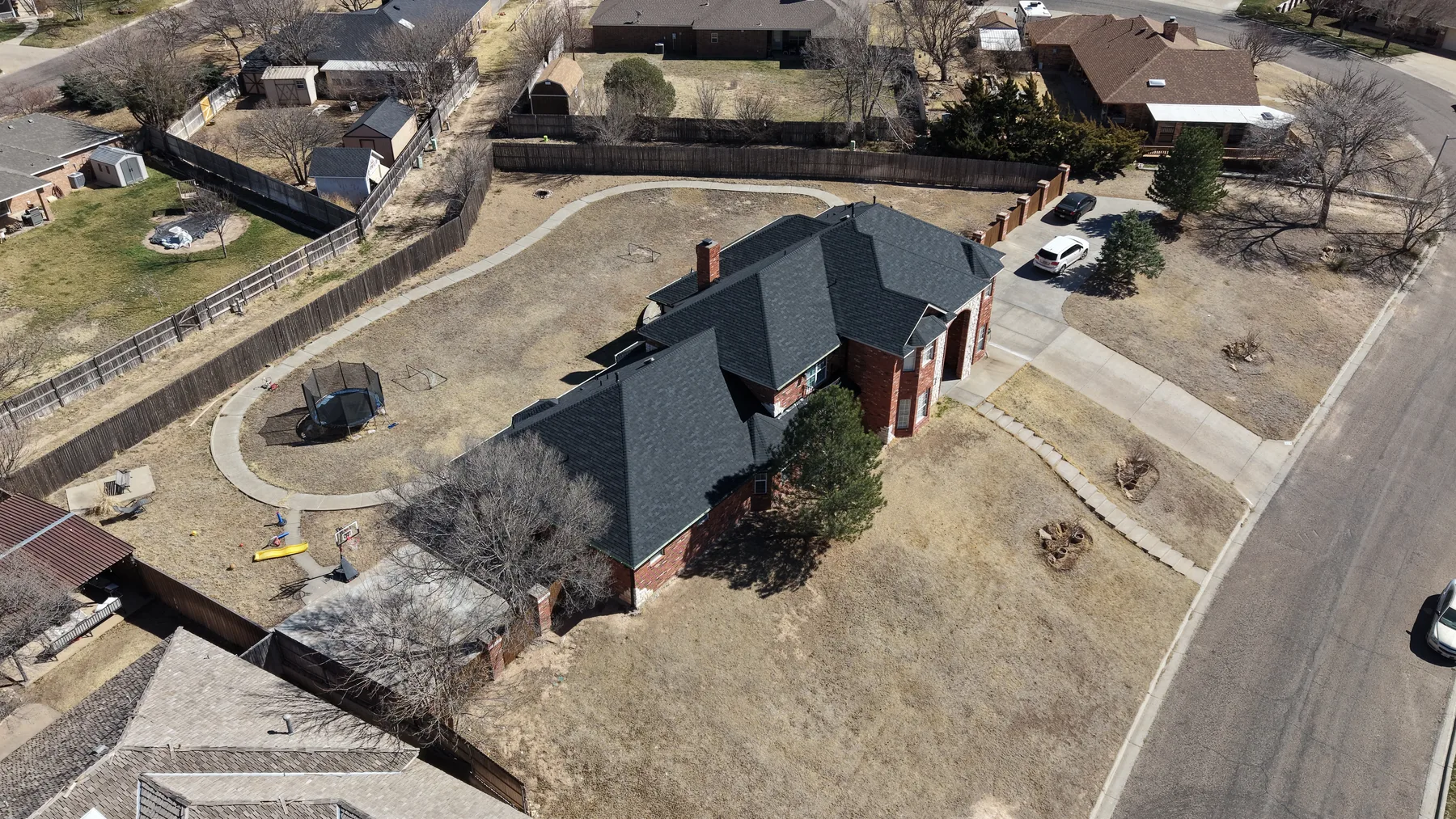
- Owens Corning. As an Owens Corning Preferred Contractor, we install Duration STORM impact-resistant shingles, including the Onyx Black project shown above, with matching Owens Corning underlayment, starter and ridge components.
- Malarkey. Malarkey builds its shingles with rubberized asphalt across the line. Their Class 4 rated architectural shingles are a strong option when hail resistance is the top priority.
We’ll bring samples and walk you through color and profile options, and we’ll tell you which one we’d put on our own house for your situation.
What Class 4 Does Not Do
We’d rather you hear this from us before the next storm. Class 4 shingles are impact-resistant. They are not hail-proof. Hail that is large enough or driven hard enough by wind can damage any roof. What Class 4 does is raise the bar, so storms that would total a standard roof may leave an impact-resistant roof intact.
Is the Upgrade Worth It?
For most Amarillo-area homeowners who plan to stay put, yes. The roof is more likely to survive the storms that are going to come, you may earn a premium discount every year, and you’re less likely to be filing another claim and paying another deductible in a few seasons. If insurance is paying for the replacement, you typically pay only the difference between the standard shingle in the estimate and the Class 4 upgrade.
If you’re selling soon or the budget is tight, a standard architectural shingle installed correctly is still a good roof. We’ll price both so you can decide with real numbers.